Dryer Vent Cover Guide: Types, Materials & How to Choose the Right Wall Cap (2026)
The dryer vent cover — also called a wall cap, exhaust hood, or vent terminal — is one of the most overlooked components in residential HVAC. It sits on the exterior wall where your dryer exhaust exits the building, and its job is simple: let hot, moist air out while keeping everything else (cold air, rain, snow, insects, birds, rodents) from coming in.
A failing or missing dryer vent cover leads to real problems: pest infestations in the duct, backdrafts of cold air, moisture damage to the wall cavity, and increased energy bills. This guide covers the types, materials, sizing, and selection criteria so you can choose the right one.
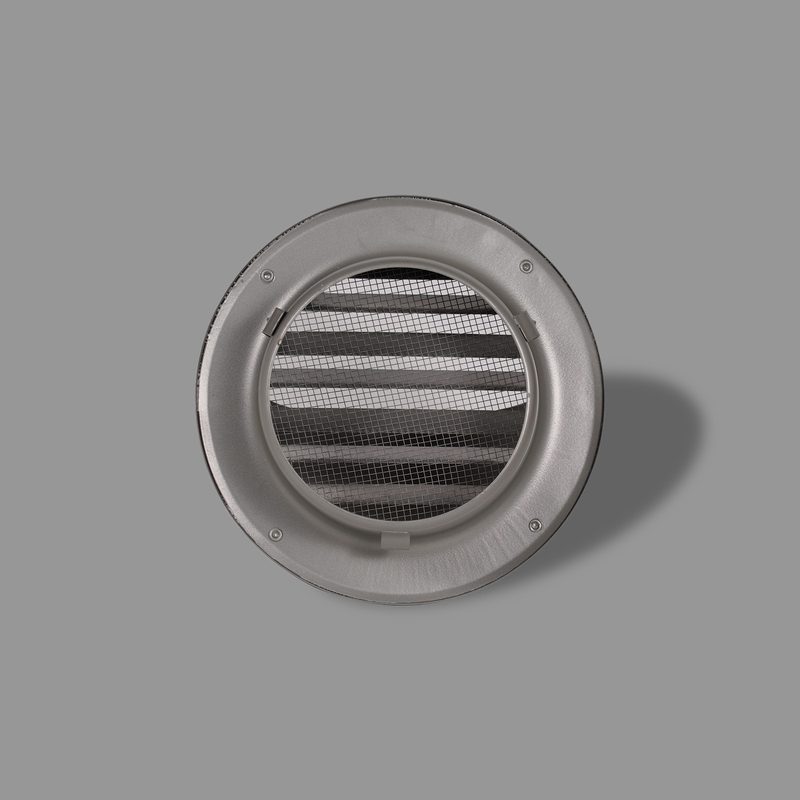
Types of Dryer Vent Covers
1. Louvered Wall Cap (Most Common)
The standard dryer vent cover with 3-5 horizontal louver blades that open by air pressure and close by gravity. Available in flat-profile and dome (bull-nose) styles. The flat profile sits closer to the wall; the dome profile projects outward and sheds rain better.
Best for: Most residential dryer and bathroom exhaust installations. The gravity-operated louvers provide a natural backdraft seal without any moving parts that can break.
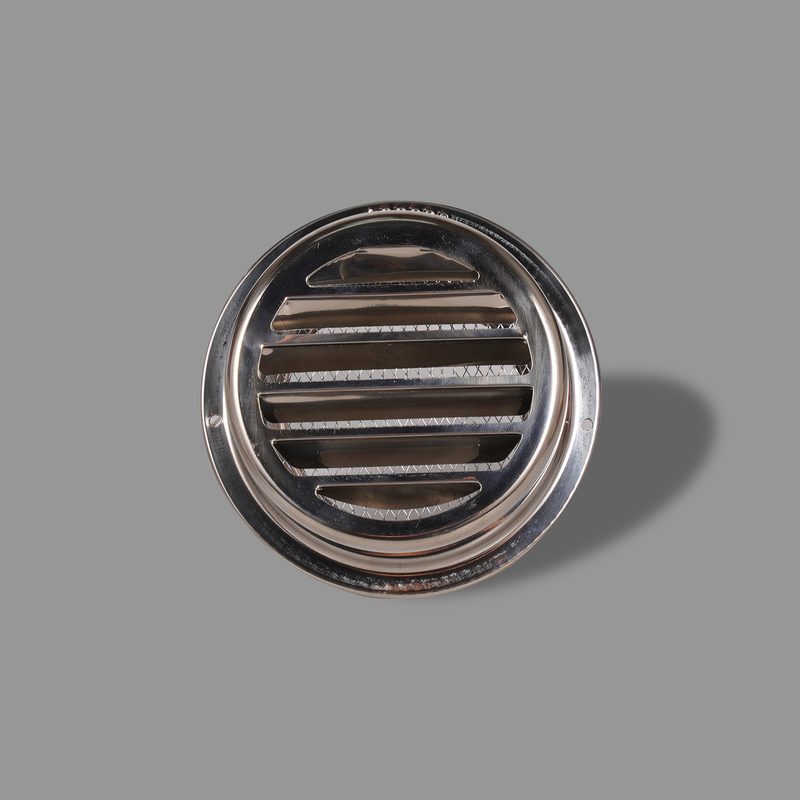
2. Bull-Nose Dome Hood
A rounded, protruding hood that extends 3-4 inches from the wall. The dome shape deflects rain and wind more effectively than flat covers, making it ideal for exposed walls. Internal louver blades provide backdraft protection, and most models include a mesh pest screen.
Best for: Exposed exterior walls, coastal areas, high-wind regions, and any location where water intrusion is a concern.
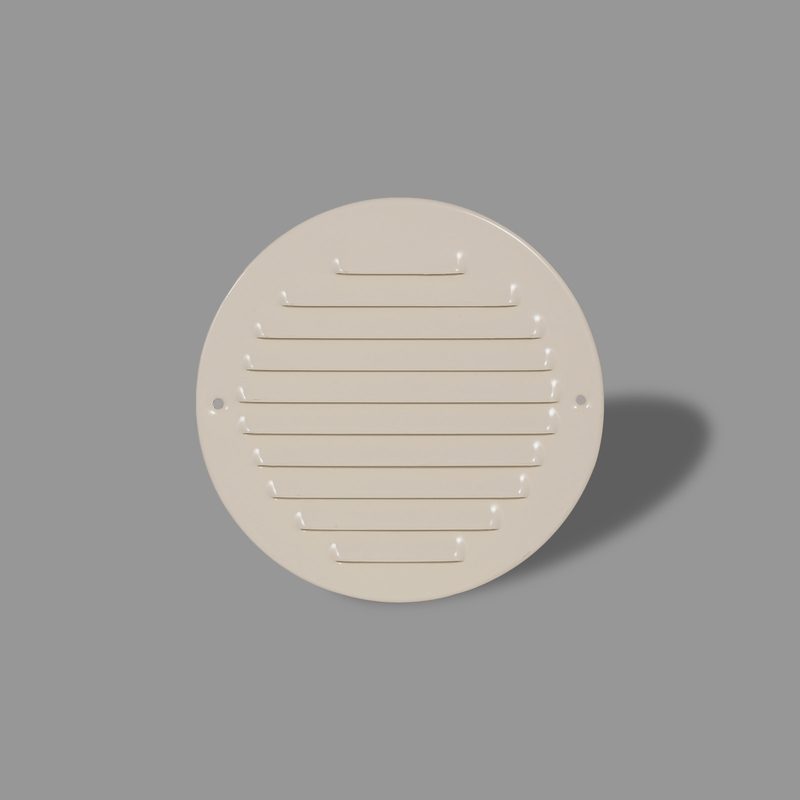
3. Plastic Exhaust Hood
Lightweight ABS or PVC vent covers with integrated hoods and grid screens. The most affordable option, often included with dryer installation kits. Suitable for sheltered locations but degrades faster in direct sunlight and extreme temperatures.
Best for: Budget installations, sheltered walls, and temporary/rental situations.
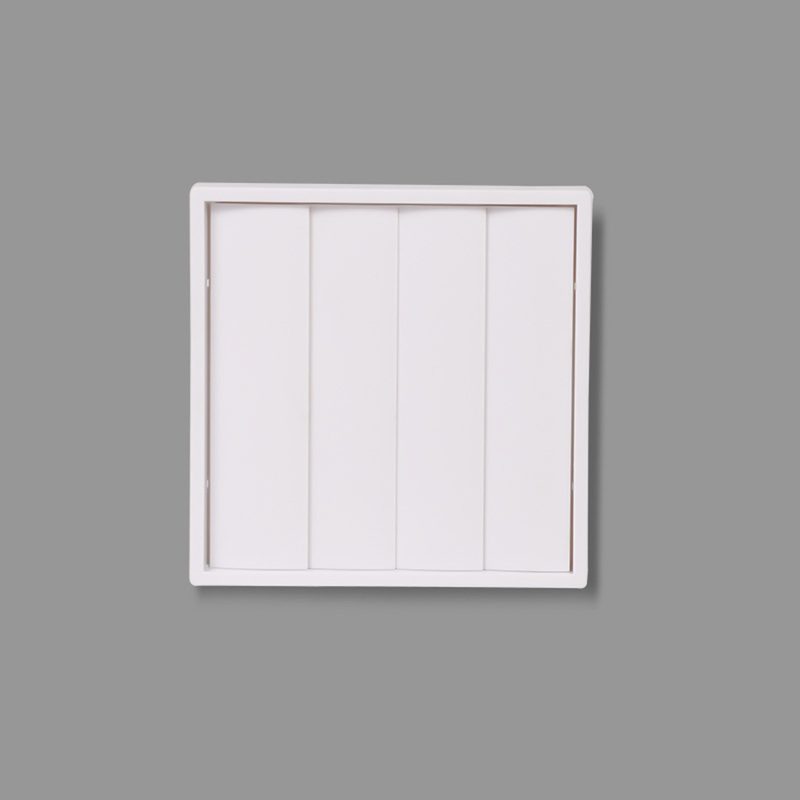
4. Magnetic Dryer Vent Cover
A snap-on magnetic cover that seals the vent opening completely when the dryer is off, then pops off when the dryer runs. These are aftermarket add-ons rather than primary vent covers — they supplement an existing louvered cover for extra insulation and pest protection.
Best for: Supplemental insulation in cold climates, but must be removed before each dryer cycle.
Dryer Vent Cover Materials Compared
| Material | Pros | Cons | Lifespan | Price Range |
|---|---|---|---|---|
| Stainless Steel 304 | Rust-proof, UV-resistant, commercial grade | Higher cost, heavier | 15-20+ years | $15-40 |
| Galvanized Steel | Good strength, moderate cost | Can rust over time in humid climates | 8-15 years | $8-20 |
| Aluminum | Lightweight, won't rust | Dents easily, less rigid | 10-15 years | $8-15 |
| ABS Plastic | Cheapest, lightweight, easy install | UV degradation, brittle in cold, melts at high temp | 3-7 years | $3-8 |
Our recommendation: stainless steel 304 for any permanent installation. The upfront cost difference is $10-20 over plastic, but you avoid replacement every few years. For a product that sits on the exterior of your building 24/7/365, material quality matters.
Sizing: What Size Dryer Vent Cover Do You Need?
Dryer vent covers are sized by the duct diameter they connect to — not the overall face dimension. Here's the standard sizing:
| Duct Diameter | Application | Face Size (approx.) |
|---|---|---|
| 3 in. (75mm) | Bathroom exhaust fans (older) | 5-6 in. |
| 4 in. (100mm) | Residential dryers, bathroom fans (standard) | 6-7 in. |
| 5 in. (125mm) | Larger bathroom fans, some range hoods | 7-8 in. |
| 6 in. (150mm) | Range hoods, commercial exhaust | 8-9 in. |
How to measure: Measure the inside diameter of the duct pipe at the wall penetration point. If you're replacing an existing cover, measure the duct connection on the back of the old cover. The 4-inch size fits the vast majority of residential dryers.
Installation Code Requirements
Building codes (IRC M1502) have specific requirements for dryer exhaust terminations:
Backdraft damper required — the vent cover must have a damper (louver blades or flap) that closes when the dryer is off. Open-ended vent pipes without covers are a code violation.
Screen mesh size — if a pest screen is installed, the mesh openings must be at least 1/4 inch (6mm) to prevent lint accumulation. Very fine mesh clogs with lint and becomes a fire hazard. The IRC specifically prohibits screens finer than 1/4 inch on dryer vent terminals.
Clearance from openings — the dryer vent cover must be at least 3 feet from any operable window, door, or other air intake opening. This prevents humid dryer exhaust from being drawn back into the building.
Height above grade — install at least 12 inches above ground level to prevent snow blockage and pest access.
Common Problems & Troubleshooting
Louver blades stuck closed: Lint buildup or corrosion prevents the blades from opening. Clean the blades and hinges; replace if corroded. This is the #1 reason dryers lose efficiency — restricted exhaust airflow forces the dryer to work harder and run longer.
Birds nesting in vent: Birds (especially starlings and sparrows) love the warm, sheltered space inside dryer vents. Install a cover with metal pest mesh. Clean out existing nests before installing the new cover — nesting material is a fire hazard.
Cold air backdraft: If you feel cold air coming from the dryer when it's off, the damper blades aren't sealing properly. Upgrade to a better cover with tighter-fitting blades, or add a secondary inline backdraft damper inside the duct.
Water staining around vent: The cover isn't shedding rain properly. Switch from a flat-profile cover to a dome/bull-nose hood that projects outward and diverts water away from the wall.
Sourcing Dryer Vent Covers in Bulk
For HVAC distributors, plumbing suppliers, and property management companies that need dryer vent covers in volume, Airwise manufactures a full range of stainless steel and plastic exhaust hoods and wall caps.
Our round metal vent product line includes flat-profile louvered covers, bull-nose dome hoods, and disc valve diffusers — all in stainless steel 304 for maximum durability. MOQ starts at 100 pieces with factory-direct pricing.
Dryer Vent Covers — FAQ
What is the best material for a dryer vent cover?▾
Stainless steel 304 is the best material for longevity and weather resistance. It resists rust, withstands UV exposure, and lasts 15-20+ years. Aluminum is a good mid-range option (lighter, cheaper, 8-12 year lifespan). Plastic/ABS is the most affordable but degrades in UV and extreme heat — best for sheltered installations only.
What size dryer vent cover do I need?▾
Most residential dryers use a 4-inch (100mm) diameter vent duct, so you need a 4-inch dryer vent cover. Some older installations use 3-inch ducts. Measure the duct diameter at the wall penetration, not the exterior opening of the old cover. View our round metal vent covers.
How do I prevent birds and pests from nesting in my dryer vent?▾
Install a dryer vent cover with a built-in pest guard mesh (typically 1/2-inch wire mesh behind the louver blades). Avoid covers with large open gaps. Stainless steel mesh is more durable than plastic screening. Check and clean the mesh at least twice a year — lint buildup on the mesh reduces airflow and creates a fire hazard.
Should a dryer vent cover have a damper?▾
Yes. A dryer vent cover should have gravity-operated louver blades or a flapper that opens when the dryer runs (air pushes the blades open) and closes when the dryer stops (gravity pulls them shut). This prevents cold air, moisture, insects, and rodents from entering through the vent when the dryer is off.
Can I use a dryer vent cover for a bathroom exhaust fan?▾
Yes, the same wall caps work for bathroom exhaust fans, range hood exhaust, and any other residential exhaust application. Just match the duct diameter (typically 3-inch, 4-inch, or 6-inch). For bathroom use, a louvered cover with pest mesh is recommended.
Need wall caps in volume?
Stainless steel 304, factory-direct. MOQ 100 pcs. Quote within 12 hours.